Managing Challenging Behaviours: Essential Strategies for Interventions
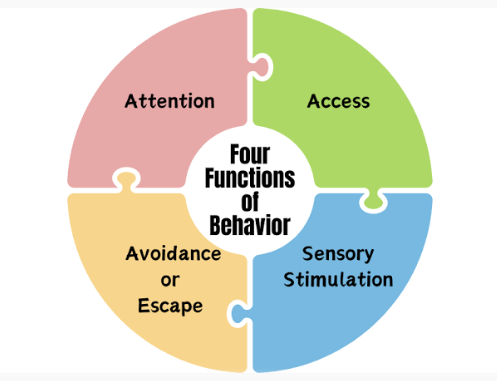
Understanding the "why" behind a behaviour shifts our focus away from merely reacting to emotional outbursts toward providing actionable, mindful support. In inclusive education, recognizing that all behaviour is communication is the first step toward helping children flourish.
When caregivers identify which of the four functions drives a behaviour, they can teach the child safer, functional ways to meet their needs. These four functions are remembered by the acronym SEAT:
1. Attention
The Function: The child engages in a behaviour to gain social interaction, eye contact, or an emotional reaction from others. Note that negative attention (reprimands or raised voices) is often just as reinforcing as praise.
Example: Throwing toys specifically when the teacher looks away, or making loud noises when adults speak to each other.
- Teach Replacement Skills: Guide the child to tap an adult’s shoulder, use a communication card, or raise a hand to request attention.
- Catch Them Being Good: Offer frequent, proactive bursts of positive attention when they engage calmly, removing the need to act out.
- Minimize Reactive Feedback: If safe, minimize dramatic reactions and eye contact during disruptive attention-seeking behaviour.
2. Tactile / Tangible (Access)
The Function: The child wants access to a specific physical item, activity, or food.
Example: Crying and grabbing when a tablet is removed, or having a meltdown in a store when denied a specific toy.
- Use Visual Schedules: Visual timers transform the message from "No, you can't have this" into "First we finish this, then you get that."
- Teach Requesting (Manding): Help the child ask for the item using words, sign language, or PECS cards before frustration escalates.
- Provide Transition Warnings: Give clear 2-minute and 5-minute warnings before a favored activity ends.
3. Sensory (Automatic)
The Function: The behaviour occurs because the physical sensation of the movement itself is soothing or stimulating to the nervous system. It does not depend on an external reward.
Example: Hand-flapping, rocking, humming, chewing on shirts, or seeking deep physical pressure.
- Evaluate True Necessity: If stimming is harmless and not disruptive, it should not be stopped. It is a vital self-regulation mechanism.
- Offer Safe Equivalents: If the behaviour is unsafe (e.g. biting hands or head-banging), substitute with safe sensory alternatives—like silicone chew pendants or deep-pressure weighted blankets.
4. Escape / Avoidance
The Function: The child is overwhelmed, fatigued, or frustrated by a demand and acts out to delay or escape the environment.
Example: Bolting from the classroom when a math worksheet appears, or dropping to the floor during a noisy assembly.
- Teach Break Requests: The single most empowering tool is teaching the child to request a break using a break card or sign.
- Modify the Environment: Provide noise-cancelling headphones or a quiet sensory corner if sensory overload triggers the escape.
- Chunk Tasks: Break large tasks into small, bite-sized components, providing positive reinforcement after each step.